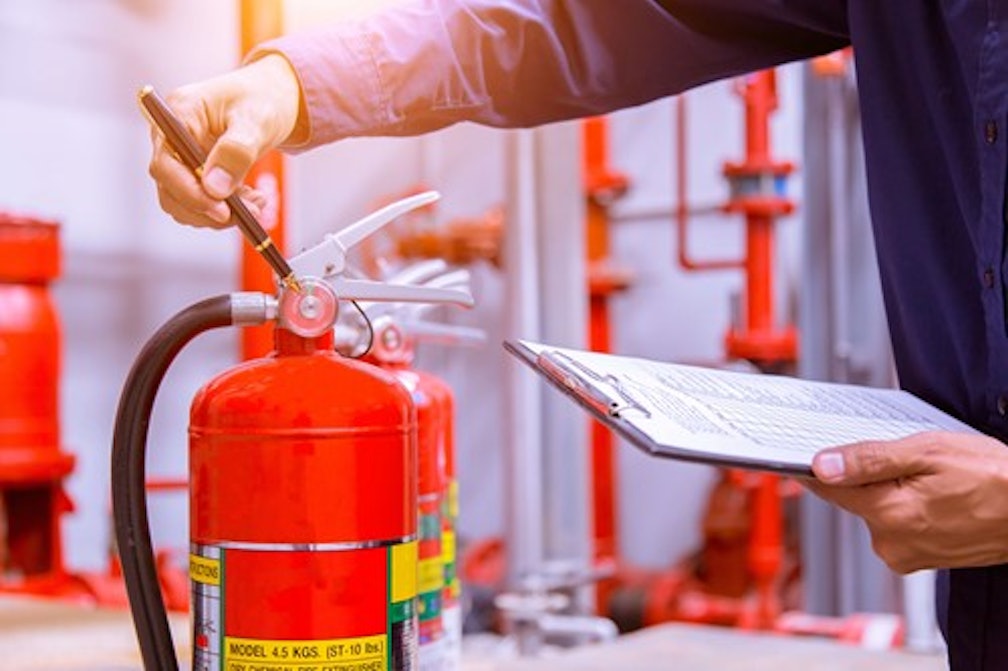
Fire remains one of the most significant risks facing businesses across all sectors. A workplace fire can result in serious injury, loss of life, extensive property damage, business interruption, reputational harm and financial loss. While many organisations have never experienced a major fire incident, the potential consequences make fire prevention and preparedness essential components of any health and safety management system.
Effective fire safety is not simply about having fire extinguishers on site. It requires a proactive approach that identifies hazards, controls risks, provides suitable emergency arrangements and ensures everyone understands their role in preventing and responding to fire incidents.
Legal Requirements
In England and Wales, the primary legislation governing workplace fire safety is the Regulatory Reform (Fire Safety) Order 2005. This legislation places responsibility on a designated "Responsible Person", typically the employer, owner, occupier or person in control of the premises, to manage fire safety effectively.
Key legal duties include:
Carrying out and regularly reviewing a suitable and sufficient fire risk assessment.
Identifying fire hazards and persons at risk.
Implementing appropriate fire prevention and protection measures.
Providing employees with adequate fire safety information, instruction and training.
Maintaining fire safety equipment and systems in effective working order.
Establishing suitable emergency procedures and evacuation arrangements.
Cooperating and coordinating with other duty holders where premises are shared. Where significant findings are identified, employers must take prompt action to reduce risks so far as is reasonably practicable and ensure fire safety measures remain effective.
Control Measures
Effective fire safety starts with a suitable and sufficient fire risk assessment that identifies potential hazards, people at risk and the precautions needed to reduce the likelihood of a fire occurring. The assessment should be reviewed regularly to ensure it remains relevant and reflects any changes to the workplace.
Good housekeeping is one of the most effective fire prevention measures. Combustible waste should be removed regularly, storage areas kept tidy and flammable materials managed safely. Electrical equipment and installations should be inspected and maintained to minimise the risk of overheating, faults or ignition
Businesses should ensure they have suitable fire detection and alarm systems, emergency lighting, firefighting equipment and clearly marked escape routes. These provisions should be inspected and maintained to ensure they remain effective and available during an emergency.
Employees should receive appropriate fire safety training and understand the emergency procedures for their workplace. Regular fire drills, clear evacuation arrangements and, where necessary, trained fire wardens can help ensure everyone can evacuate safely and efficiently in the event of a fire.
Key Concerns and Safety Measures
Many workplace fires originate from common hazards that can often be controlled through good management practices. Particular attention should be given to:
Electrical Safety
Faulty wiring, overloaded sockets, damaged equipment and poor maintenance remain leading causes of workplace fires. Electrical systems should be inspected regularly and defective equipment removed from service immediately.
Housekeeping and Waste Management
Combustible materials such as paper, cardboard, packaging and waste can significantly increase fire severity. Waste should be removed regularly and storage areas kept tidy and organised.
Fire Doors and Escape Routes
Fire doors play a critical role in slowing fire and smoke spread. They must not be wedged open, altered or obstructed. Escape routes should remain clear and accessible at all times.
Hot Work Activities
Activities involving welding, grinding, soldering or cutting introduce significant ignition risks. Suitable permits, supervision and control measures should be implemented whenever hot work is undertaken.
Staff Awareness
Even the best fire protection systems can fail if staff are unaware of emergency procedures. Employees should know how to raise the alarm, where assembly points are located, who the fire wardens are and how to evacuate safely. Regular refresher training helps maintain competence and confidence.
Summary
Fire safety is a fundamental responsibility for every employer and employee. By understanding legal duties, completing effective fire risk assessments, maintaining fire safety systems and promoting a strong fire safety culture, organisations can significantly reduce the likelihood and impact of a fire.
A well-managed approach not only helps achieve legal compliance but also protects people, premises, assets and business continuity. Regular reviews, staff engagement and ongoing vigilance remain the foundation of effective workplace fire safety.