A serious workplace incident that left a worker with burns to 40% of his body highlights the potential consequences of inadequate lifting equipment inspection, planning and risk assessment.
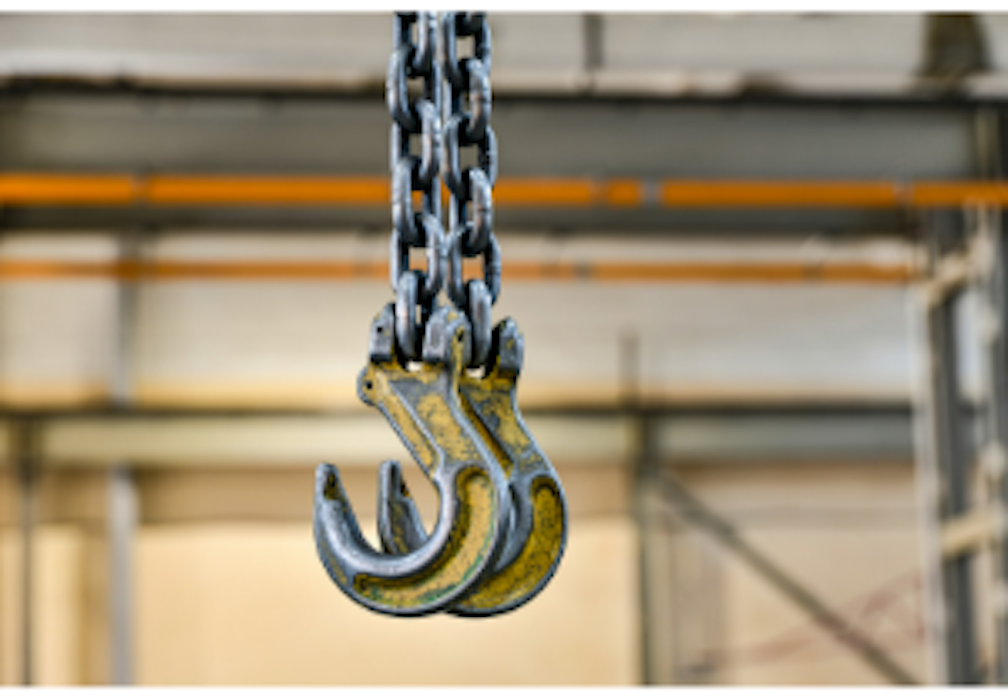
The incident occurred during a hot-dip galvanising operation when a lifting chain carrying a steel beam weighing nearly three tonnes failed. The beam fell into a bath of molten zinc, creating a wave that struck a 33-year-old worker.
The worker spent 11 days in intensive care and underwent 13 operations. He subsequently suffered infection and sepsis and was left with multiple long-term health conditions.
Following an investigation by the Health and Safety Executive (HSE), the employer pleaded guilty to breaching Section 3(1) of the Health and Safety at Work etc. Act 1974. The business was fined £566,666 and ordered to pay £15,521 in costs.
What went wrong?
The HSE investigation found that the lifting chains showed signs of damage and deterioration but had not been withdrawn from use. They had also not undergone the required regular inspection.
The sling arrangement was incorrect, meaning the load being placed on the chains was greater than their safe limit. The risk assessment covering the activity also failed to refer to checks on the chains or specify the sling configuration that should be used.
These failures demonstrate why lifting equipment must be suitable, properly inspected and used within its safe operating limits.
What does the law require?
The Lifting Operations and Lifting Equipment Regulations 1998 (LOLER) place specific duties on employers using lifting equipment.
Under Regulation 8, lifting operations must be properly planned by a competent person, appropriately supervised and carried out safely.
Regulation 9 contains requirements for thorough examination and inspection. Lifting accessories are generally subject to thorough examination at least every six months unless examination takes place in accordance with a written examination scheme.
Employers should remember that statutory thorough examinations do not replace appropriate pre-use checks, inspections or maintenance.
Regulations 10 and 11 cover reports, defects and the retention of information relating to thorough examinations.
The Provision and Use of Work Equipment Regulations 1998 (PUWER) may also apply, including Regulation 5 on maintenance and Regulation 6 on inspection.
Additionally, Regulation 3 of the Management of Health and Safety at Work Regulations 1999 requires employers to carry out suitable and sufficient risk assessments.
How Peninsula could have supported
Peninsula could have supported the business by reviewing its risk assessments and lifting arrangements, helping to identify gaps between documented procedures and actual working practices.
This could include reviewing arrangements for LOLER thorough examinations, routine inspections, pre-use checks, maintenance and the removal of defective equipment from service.
Peninsula could also provide guidance on safe working arrangements, employee training and supervision, and the responsibilities of those planning and managing lifting operations.
Ultimately, effective lifting safety requires more than completing paperwork. Employers need to ensure lifting operations are properly planned, equipment remains safe and appropriate controls are followed in practice. Regularly reviewing these arrangements can help identify weaknesses before they contribute to a serious incident.