Introduction
Winter weather introduces predictable but serious health and safety risks. Snow, ice, fog, heavy rain, and strong winds reduce visibility, impair vehicle control, and create unsafe conditions on roads, footpaths, car parks, and building entrances. Public transport disruptions increase waiting times in exposed or poorly lit areas, heightening both physical and personal safety risks. Effective winter risk management requires structured arrangements for safe driving, safe access and egress, public transport interfaces, and personal safety behaviours. Controlling these foreseeable hazards is essential for maintaining safety, legal compliance, and continuity of operations.
Understanding the Hazards
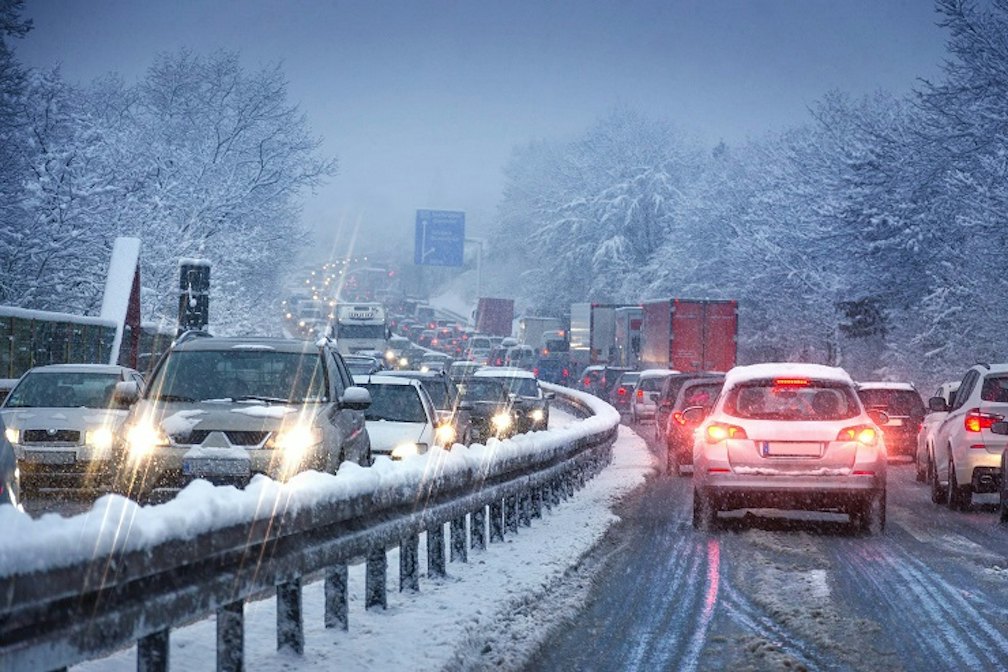
Adverse weather significantly compromises driving conditions. Snow, ice, and pooled water reduce tyre grip and extend stopping distances. Fog and heavy rain restrict visibility, slowing driver reaction times. Low temperature affects tyre pressure, battery reliability, and braking performance. Drivers who fail to adjust speed, increase following distances, or modify route planning face heightened collision risk.
Pedestrian risks increase in parallel. Untreated walkways, ramps, and steps can become extremely slippery. Thin layers of black ice are difficult to detect, especially during darker mornings and evenings. Public transport delays may force individuals to walk unfamiliar routes or remain outside for extended periods in isolated or poorly lit locations. These conditions elevate both slip and fall risks and personal safety exposure.
Legal Duties
Employers and duty holders must meet UK health and safety requirements when planning for winter hazards.
Under the Health and Safety at Work etc. Act 1974, employers must ensure, as far as reasonably practicable, the health and safety of employees and others affected by their activities.
The Management of Health and Safety at Work Regulations 1999 require suitable risk assessments and proportionate control measures for foreseeable hazards, including snow ice, and reduced visibility.
The Workplace (Health, safety, and Welfare) Regulations 1992 require safe access and egress; external routes must be cleared, gritted, maintained, and properly lit.
The Provision and Use of Work Equipment Regulations 1998 require vehicles used for work to be suitable and maintained for winter conditions.
Road traffic legislation and the Highway Code require roadworthy vehicles and driving behaviour that reflects prevailing weather and road conditions.
These duties require formal planning, clear responsibilities, and active monitoring throughout the winter season.
Personal Safety
· Adverse weather can increase isolation, limit visibility, and reduce opportunities for assistance. Effective personal safety practices must accompany physical risk controls.
· Remain alert and avoid distractions such as mobile phones and headphones while walking.
· Use well-lit, populated routes and adopt a buddy system, especially during hours of darkness or in deteriorating conditions.
· Trust instinct and leave any location or situation that feels unsafe.
· Use licensed taxis and wait for public transport in designated, illuminated areas.
· Keep phones charged with emergency contacts stored.
· Lock vehicle doors and plan routes in advance.
· Keep valuable concealed and distribute them to reduce loss impact.
· Do not resist theft attempts; prioritise personal safety, move to safety, and seek help.
· When entering other people’s premises for work, maintain professional boundaries and ensure a clear exit route.
· Secure doors and windows at home and verify the identity of anyone requesting entry.
· Effective personal safety relies on awareness, preparation, and early decision making.
Preventive Measures
· Driving, Access, and Egress
· Conduct regular checks on tyres, brakes, lights, and wipers.
· Reduce speed, increase stopping distances, and avoid sudden manoeuvres.
· Use headlights correctly in fog, rain, and low visibility.
· Grit walkways, steps, ramps, and car parks maintain drainage to prevent refreezing.
· Ensure adequate lighting in external areas and inspect routes multiple times each day during severe weather.
Public Transport Interfaces
· Keep pedestrian routes to transport points clear, gritted, and illuminated
· Provide sheltered waiting areas where possible.
· Issue timely communication on delays, diversions, or unsafe pathways.
Information and Procedures
· Provide clear winter safety guidance and route restrictions.
· Implement check-in arrangements for individuals travelling alone or visitor unfamiliar premises.
· Maintain accessible reporting systems for unsafe conditions and incidents.
Case Study:
In early 2022, during freezing conditions in Leeds, a university student left an evening session after heavy rainfall turned to ice. The campus shuttle service had been cancelled due to hazardous road conditions. The nearest public transport stop required a 12- minute walk along an ungritted, poorly lit route.
Travelling alone, the student slipped in ice, causing delay and reduced visibility. With low temperatures, limited visibility, and few people outdoors, vulnerability increased. Shortly afterwards, two individuals approached and demanded valuables. The student, impacted by cold and the earlier fall, compiled and then continued to accommodation. Although not physically injured further, the student had been placed at avoidable risk.
The investigation identified that:
· The route to the transport stop had received no inspection or gritting that evening.
· Lighting defects had been reported but not repaired.
· Shuttle cancellations were not accompanied by safety guidance or route warnings.
· No safe-walk or buddy arrangements existed for late travel.
· The student had not informed anyone of their travel plans.
Corrective actions included extending winter route inspections, carrying out lighting repairs, issuing real-time travel alerts, and implementing an escorted safe-walk service.
Conclusion
Adverse weather creates predictable risks that must be controlled through structured planning, effective maintenance, and clear communication. Duty holders must ensure safe driving conditions, safe access and egress, and safe public transport interfaces, while individuals apply strong personal safety behaviours. Consistent implementation of winter controls reduces incidents and supports safe and resilient operations throughout the season.