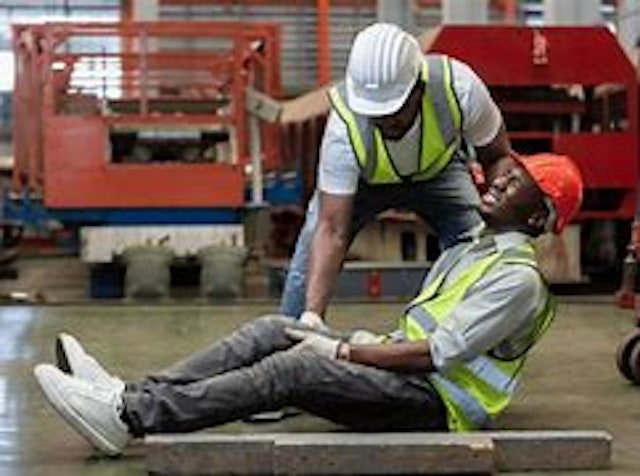
Young workers and apprentices bring enthusiasm, fresh ideas, and valuable future skills to the workplace. Whether employing school leavers, apprentices, or young employees under the age of 18, employers have a legal duty to ensure they are provided with a safe and supportive working environment. Young people are statistically more vulnerable to workplace accidents due to their inexperience, limited awareness of workplace hazards, and lack of familiarity with safe working procedures. Employers must therefore take additional steps to manage risks and provide appropriate supervision, training, and support.
Legal Duties
Under the Health and Safety at Work etc. Act 1974 and the Management of Health and Safety at Work Regulations 1999, employers must assess the risks to all employees, including young workers and apprentices. Additional considerations apply when employing anyone under the age of 18, as they may not recognise hazards or understand the consequences of unsafe behaviours.
A young person is generally defined as anyone under 18 years of age, while a child is someone below the minimum school leaving age. Employers must consider a young person's physical and psychological maturity, level of experience, and understanding of workplace risks before they begin work.
Where apprentices are employed, the employer remains primarily responsible for their health, safety, and welfare while undertaking work activities. Apprentices under 18 are subject to the same protections afforded to other young workers.
Employers should also ensure that their Employers' Liability Insurance covers young workers, apprentices, and work experience placements where applicable.
Control Measures
Employers can significantly reduce risks to young workers and apprentices by implementing effective control measures, including:
Carrying out a specific risk assessment before the young person starts work.
Providing a thorough workplace induction that explains hazards, emergency procedures, and safe systems of work.
Delivering task-specific training and ensuring understanding before work begins.
Assigning competent supervisors or mentors to provide guidance and support.
Restricting access to hazardous equipment, machinery, dangerous substances, or high-risk work activities where appropriate.
Ensuring work equipment, PPE, and workstations are suitable for the individual's size, capability, and level of experience.
Monitoring progress regularly and reviewing risk assessments where duties or circumstances change.
Encouraging open communication so young workers feel comfortable raising concerns or asking questions.
Key Concerns and Safety Measures
Inexperience and Lack of Risk Awareness
Young workers may not identify hazards that experienced employees recognise instinctively. Employers should provide clear instructions, demonstrate safe working methods, and regularly check understanding.
Supervision
Young employees often require closer supervision, particularly during the early stages of employment or apprenticeship training. Supervisors should actively monitor work activities and provide immediate guidance when required.
Hazardous Work Activities
Work involving dangerous machinery, chemicals, excessive noise, extreme temperatures, manual handling, or other high-risk activities should be carefully assessed. Young persons must not be exposed to work beyond their physical or psychological capability.
Working Time Restrictions
Specific working time protections may apply to young workers under 18, including limits on daily and weekly working hours, rest breaks, and rest periods. Employers should ensure working arrangements comply with legal requirements.
Apprenticeship Support
Apprentices require ongoing training and development alongside practical workplace experience. Employers should ensure sufficient time is allocated for training and maintain regular communication with training providers where applicable.
Safeguarding and Welfare
Young workers may be entering employment for the first time and may lack confidence to raise concerns. Employers should foster a positive workplace culture, provide access to support, and ensure welfare arrangements meet their needs.
Summary
Employing young workers and apprentices can bring significant benefits to an organisation, helping to develop future talent and build workforce capability. However, their relative inexperience and limited awareness of workplace hazards mean they require additional protection, guidance, and supervision. By carrying out suitable risk assessments, providing effective training, maintaining close supervision, and ensuring work activities are appropriate to the individual's capability, employers can create a safe environment where young people can learn, develop, and thrive.
Taking a proactive approach to managing the health and safety of young workers not only helps organisations comply with legal duties but also reduces the likelihood of accidents, improves employee confidence, and promotes a positive safety culture. Investing in the wellbeing and development of young workers and apprentices today helps create a safer, more skilled, and more productive workforce for the future.