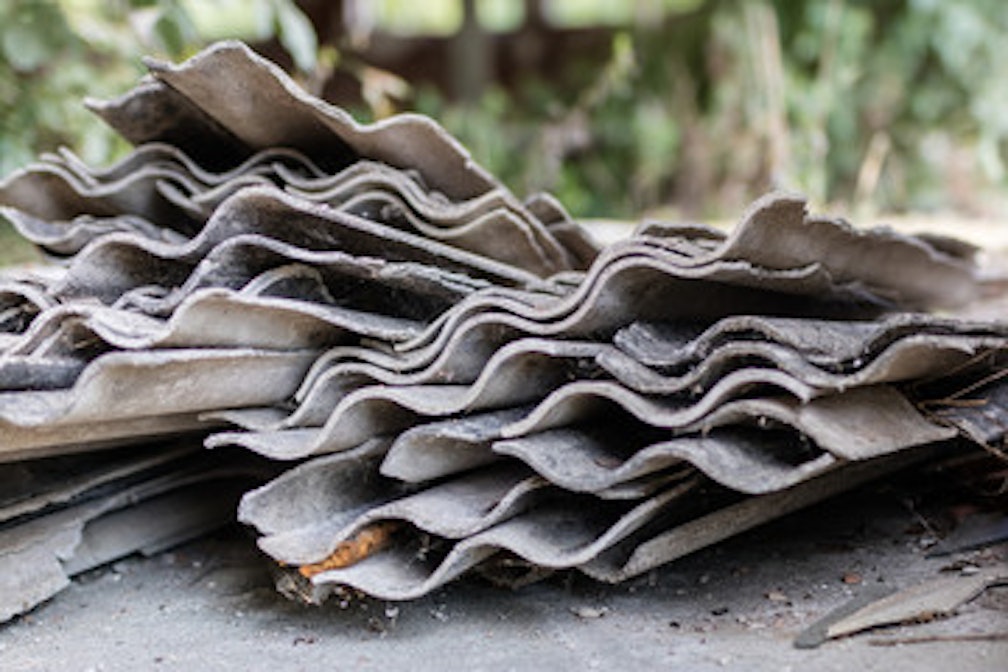
Despite being banned in the UK in 1999, asbestos remains present in many buildings constructed or refurbished before 2000. As a result, asbestos continues to pose a significant health risk to workers, contractors, and anyone responsible for managing premises.
Understanding what an asbestos-containing material (ACM) is, where it may be found, and how it should be managed is essential for protecting people and complying with legal duties.
Our guide covers that to ensure you can protect your staff and meet your Health & Safety obligations.
What is an asbestos-containing material?
An asbestos-containing material, commonly referred to as an ACM, is any material that contains asbestos fibres. Historically, asbestos was widely used in construction and manufacturing because it was strong, durable, resistant to heat, and provided excellent insulation.
ACMs can contain varying amounts of asbestos and were incorporated into thousands of building products throughout the twentieth century. While many ACMs remain in place today, they only present a significant risk when they are damaged, disturbed, drilled, cut, broken, or deteriorate to the point where fibres can be released into the air.
Why are ACMs dangerous?
When asbestos fibres become airborne and are inhaled, they can become lodged in the lungs. Exposure can lead to serious and often fatal diseases, including:
Mesothelioma
Asbestos-related lung cancer
Asbestosis
Pleural thickening
These diseases often take decades to develop, meaning people may not experience symptoms until many years after exposure. Asbestos-related illnesses remain one of the biggest causes of work-related deaths in the UK.
Where are ACMs commonly found?
Asbestos-containing materials can still be found in many non-domestic premises and older homes. Common examples include:
Asbestos insulation board (AIB)
Pipe lagging and thermal insulation
Sprayed coatings
Textured decorative coatings
Ceiling tiles
Floor tiles
Cement roof sheets and wall panels
Soffits, gutters and downpipes
Fire doors and fire protection productsInsulation around boilers and heating systems
The likelihood of asbestos being present is particularly high in buildings constructed before 2000.
Are all ACMs high risk?
No. The level of risk depends on the type, condition, and location of the material. Some products, such as pipe lagging, sprayed coatings, and asbestos insulation board, can release fibres more readily if disturbed and are generally considered higher-risk ACMs.
Other materials, such as asbestos cement sheets, are more tightly bound and often present a lower risk when they remain in good condition.
In many cases, the safest option is to leave ACMs in place and manage them appropriately, rather than remove them unnecessarily. Regular inspections and effective management arrangements are essential to ensure materials remain in a safe condition.
What are an employer's responsibilities?
Under the Control of Asbestos Regulations 2012, those responsible for non-domestic premises have a duty to manage asbestos. This includes:
Identifying known or presumed ACMs
Maintaining an up-to-date asbestos register
Assessing the risks associated with ACMs
Implementing and reviewing an asbestos management plan
Providing asbestos information to anyone who may disturb the materials
Monitoring the condition of ACMs and taking action where deterioration is identified
Employers, landlords, facilities managers, estates teams, and building owners may all have responsibilities under the legislation depending on their level of control over the premises.
What should contractors do before starting work?
Any contractor carrying out maintenance, installation, refurbishment, or demolition work should always establish whether asbestos may be present before work begins.
Workers should:
Request and review asbestos information
Check relevant asbestos surveys and registers
Carry out suitable risk assessments
Follow safe systems of work
Ensure they have the appropriate asbestos awareness training
If asbestos information is unavailable, unclear, or out of date, work should not proceed until the risk has been properly assessed.
What if you discover or damage a suspected ACM?
If you accidentally uncover or damage a material that may contain asbestos:
Stop work immediately.
Prevent others from entering the affected area.
Avoid creating further dust or disturbance.
Report the incident to your manager or responsible person.
Arrange for competent asbestos advice and assessment.
Never attempt to clean up suspected asbestos debris unless appropriate procedures and controls are in place.
Managing asbestos risks can be complex, particularly for businesses operating from older premises or those planning maintenance, refurbishment, or construction work.
Failure to identify and manage asbestos-containing materials can expose workers to serious health risks and leave organisations vulnerable to enforcement action and prosecution.
Need expert advice on managing asbestos risks? Peninsula's Health & Safety specialists can help organisations understand their legal duties, review asbestos management arrangements, and support compliance with the Control of Asbestos Regulations 2012.