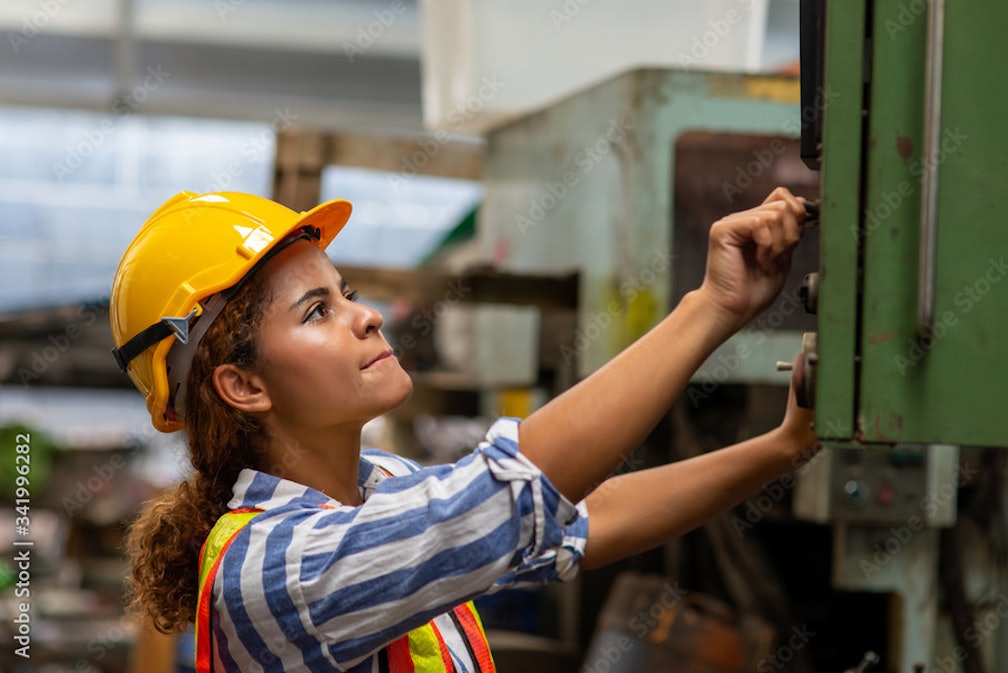
Personal Protective Equipment (PPE) plays a vital role in protecting workers from workplace hazards. However, many employers overlook an important question when selecting PPE: does it actually fit the person wearing it?
Historically, much workplace PPE has been designed around male body sizes and proportions. As workforces become more diverse, employers need to ensure that PPE is suitable for all employees, including women. Ill-fitting PPE is more than an inconvenience—it can reduce protection, increase safety risks and make it harder for employees to carry out their work safely and comfortably.
In this guide, we'll explain the different PPE considerations for women and what employers need to do to comply with their legal duties.
Does PPE need to be different for women?
The simple answer is yes—where necessary. The law requires PPE to be suitable for the individual worker and the risks they face. This means employers cannot assume that one style or size of PPE will work for everyone. PPE should fit correctly, be comfortable to wear and provide the level of protection it was designed to deliver.
For many women, standard PPE may be too large, too heavy or poorly shaped, affecting both comfort and safety. A loose-fitting glove can reduce dexterity, oversized safety footwear can increase the risk of slips and trips, and poorly fitting respiratory protective equipment may fail to provide an effective seal.
Why does PPE fit matter?
PPE is called "personal" protective equipment for a reason. If equipment does not fit properly, it may not adequately protect the wearer from workplace hazards.
Poorly fitting PPE can:
Reduce protection from workplace hazards
Increase the risk of slips, trips and falls
Restrict movement and dexterity
Cause discomfort and fatigue
Discourage employees from wearing PPE correctly
Increase the likelihood of long-term musculoskeletal issues
Beyond Health & Safety considerations, providing suitable PPE can also improve staff wellbeing, engagement and retention.
Common PPE issues experienced by women
Safety footwear
One of the most frequently reported issues is poorly fitting safety boots. Women's feet are typically narrower, with different proportions than what men's footwear is designed for.
Boots that are too large may:
Cause rubbing and blisters
Increase the risk of trips and slips
Result in reduced stability when walking or climbing
Lead to longer-term foot problems
Employers should consider women's-specific safety footwear where appropriate and offer a range of sizes and fittings.
High-visibility clothing
Oversized high-visibility clothing may catch on machinery, restrict movement or create unnecessary discomfort. Clothing that is excessively loose or poorly fitted can also affect a worker's ability to carry out tasks safely.
Many manufacturers now provide women's-cut high-visibility garments designed specifically for female body shapes.
Gloves
Hand sizes vary considerably, and gloves that are too large can affect grip, control and dexterity. This can be particularly problematic where employees undertake precision work, operate machinery or handle hazardous substances. Employers should ensure suitable glove sizes are available for all users.
For further support covering hazardous substances, you can download our free COSHH risk assessment template.
Respiratory Protective Equipment (RPE)
Respirators and face masks must form an effective seal to provide protection. Where RPE is required, employers should ensure that face fit testing is completed and repeated when necessary. Different face shapes may require different models or sizes of respirators to achieve an adequate fit.
Harnesses and fall protection equipment
In sectors such as construction, utilities and telecommunications, fall protection equipment must be correctly adjusted to fit the wearer.
Harnesses that are too large may not function correctly in the event of a fall, potentially increasing the risk of injury.
What about pregnancy and maternity PPE?
Pregnancy can significantly affect the fit and suitability of PPE. As part of a new or expectant mother's risk assessment, employers should consider whether existing PPE remains suitable. This may include:
Protective clothing
Safety harnesses
High-visibility clothing
Respiratory protective equipment
Adjustments may be required as pregnancy progresses to ensure protection remains effective and comfortable; a pregnancy risk assessment can assist with this. Employers have a duty to consider the Health & Safety of new and expectant mothers in the workplace.
Employer responsibilities
Under the Personal Protective Equipment at Work Regulations, employers must provide suitable PPE where risks cannot be adequately controlled through other measures. PPE must be appropriate for both the hazard and the individual using it.
To ensure PPE is suitable for women, employers should:
Consult with employees when selecting PPE
Offer a range of sizes and designs
Consider women's-specific PPE where appropriate
Carry out individual fit checks
Ensure RPE face fit testing is undertaken where required
Replace PPE that is unsuitable or damaged
Review PPE requirements as part of risk assessments
Creating a more inclusive workplace
Providing suitable PPE is not about treating workers differently—it's about ensuring every employee receives the same level of protection.
As awareness of inclusive PPE grows, manufacturers are increasing the range of equipment available for different body shapes, sizes and needs. Employers who take a proactive approach can improve safety outcomes, support employee wellbeing and demonstrate a commitment to equality in the workplace.
How Peninsula can help
Choosing suitable PPE and ensuring it fits correctly can be challenging, particularly for employers operating across multiple sites or industries. Peninsula's health and safety experts can help you assess workplace risks, review PPE arrangements and ensure your employees receive the protection they need.
Need advice on PPE compliance or workplace risk assessments? Peninsula's Health & Safety experts can support you. Contact us today to find out how.