Manufacturing is one of the UK's most hazardous industries. Employees are often exposed to machinery, moving vehicles, hazardous substances, noise, manual handling activities, electrical systems and complex production processes.
Without effective Health & Safety management, these hazards can result in serious injuries, ill health, production delays, enforcement action and financial losses. Manufacturing businesses therefore have both a legal and moral responsibility to protect employees and anyone else who may be affected by their operations.
Good Health & Safety management also improves productivity, reduces absenteeism and helps create a positive workplace culture; Peninsula's Health & Safety services have been helping businesses achieve that for decades.
What are an employer's legal Health & Safety duties?
Employers in the manufacturing sector must comply with a range of Health & Safety laws. The main piece of legislation is the Health and Safety at Work etc. Act 1974, which requires employers to ensure, so far as is reasonably practicable, the health, safety and welfare of employees and others affected by their work activities.
Employers are also required to provide safe systems of work, suitable information, instruction, training and supervision, and safe plant and equipment.
In addition, manufacturing businesses need to comply with specific regulations covering work equipment, hazardous substances, workplace transport, noise, fire safety, manual handling and workplace welfare.
Key Health & Safety requirements in manufacturing
Risk assessments
Risk assessments form the foundation of a manufacturing Health & Safety management system. Peninsula offers comprehensive risk assessment services to help businesses meet their duties and protect their staff.
Employers must identify workplace hazards, evaluate the risks they present and implement appropriate control measures. Risk assessments should be reviewed regularly and whenever there are significant changes to processes, equipment or working methods.
Manufacturing risk assessments commonly cover:
Machinery and equipmen
Workplace transport
Hazardous substances
Noise and vibration
Electrical systems
Maintenance activities
Fire safety
Safe machinery and equipment
Machinery-related accidents remain one of the leading causes of serious injury in manufacturing environments. Employers must ensure that work equipment is suitable for the task, properly maintained and fitted with appropriate safeguards to prevent access to dangerous parts.
Operators must be trained and competent to use the equipment safely. Maintenance activities should be carefully controlled to prevent workers coming into contact with moving parts.
Maintenance and lockout procedures
Breakdowns, repairs and maintenance activities are often higher-risk than routine production work. Manufacturing businesses should have safe systems of work in place for maintenance activities, including isolation procedures, permits to work where required and lockout/tagout arrangements to prevent machinery unexpectedly starting during repairs.
Training and competence
Employees can only work safely when they have the knowledge and skills required for their role. Employers must provide suitable health and safety information, instruction, training and supervision.
This includes staff training on machinery operation, emergency procedures, safe systems of work, hazardous substances and the use of personal protective equipment. Contractors working on site must also be assessed to ensure they are competent to carry out their work safely.
Control of hazardous substances
Many manufacturing processes involve chemicals, solvents, oils, paints, fumes, dusts and other hazardous substances. Employers must assess the risks posed by exposure and implement suitable control measures.
Depending on the substance and level of exposure, this may include local exhaust ventilation, containment systems, safe handling procedures and occupational health surveillance. For support implementing control measures; download our free COSHH risk assessment template.
Noise management
Manufacturing environments are often noisy due to machinery, tools and production processes. Prolonged exposure can result in permanent hearing damage. Employers must assess noise exposure levels and take steps to reduce risks where necessary. This may include engineering controls, maintenance of equipment, hearing protection programmes and employee training.
Workplace transport safety
Forklift trucks and other workplace vehicles are involved in many serious manufacturing accidents each year. Employers should assess transport risks and implement suitable traffic management arrangements, including designated vehicle routes, pedestrian walkways, barriers, signage and driver training.
Personal Protective Equipment (PPE)
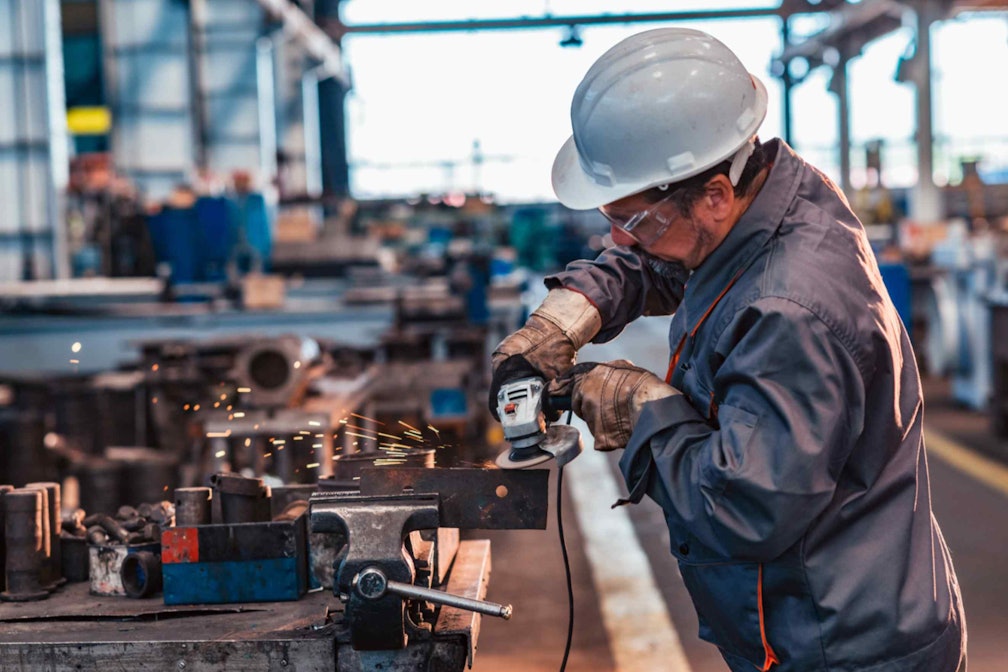
Where risks cannot be adequately controlled through other means, employers must provide suitable PPE free of charge. This may include safety footwear, hearing protection, eye protection, gloves, respiratory protective equipment, and high-visibility clothing. PPE should be suitable for both the task and the individual employee and should be regularly inspected and maintained.
Fire safety
Manufacturing sites often contain combustible materials, ignition sources and complex building layouts. Employers must complete a fire risk assessment implement appropriate fire precautions and ensure employees receive fire safety information and training. Emergency procedures should also be regularly tested and reviewed.
What happens if manufacturing businesses fail to manage Health & Safety?
Poor Health & Safety management can have significant consequences. Employees may suffer serious injuries, long-term health conditions or even fatalities. Businesses can face enforcement action from the Health and Safety Executive (HSE), including improvement notices, prohibition notices, prosecution and substantial fines. In addition, workplace accidents often result in lost productivity, increased insurance costs, reputational damage and reduced employee morale.
The benefits of good Health & Safety management
When Health & Safety is properly managed, manufacturing businesses can experience a range of benefits, including:
Fewer accidents and incidents
Reduced sickness absence
Increased productivity and efficiency
Improved employee morale and retention
Better legal compliance
Reduced risk of enforcement action
Enhanced reputation with customers and stakeholders
By proactively managing risks, employers can create a safer, healthier and more productive manufacturing environment.
Rely on Peninsula for Health & Safety support in the manufacturing sector
Managing Health & Safety in a manufacturing environment can be challenging, particularly where multiple hazards and complex production processes are involved. Peninsula's Health & Safety experts can help you identify risks, achieve compliance and create safer workplaces.
Whether you're looking to strengthen your existing arrangements or build a robust Health & Safety management system from the ground up, Peninsula can provide practical support tailored to your manufacturing operations.
Contact us today to find out how we can help keep your business compliant and your workforce protected.